
NEW YEAR TRADITIONS FROM AROUND THE WORLD

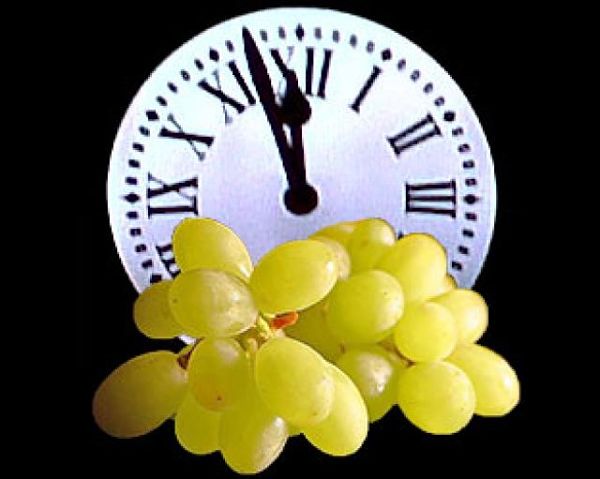
SPAINEat twelve grapes at Midnight

Las Doce Uvas de la Suerte is a Spanish tradition that consists of eating twelve grapes at Midnight, a grape with each of the twelve bell strikes at midnight to welcome in the New Year. The twelve grapes must be eaten before the clock strikes 12:01am. This tradition dates back to 1895. It is believed that eating the twelve grapes will lead to a year filled with good luck and prosperity, each grape representing a month of the New Year. In some areas it was believed that the grapes would ward off witches and evil.

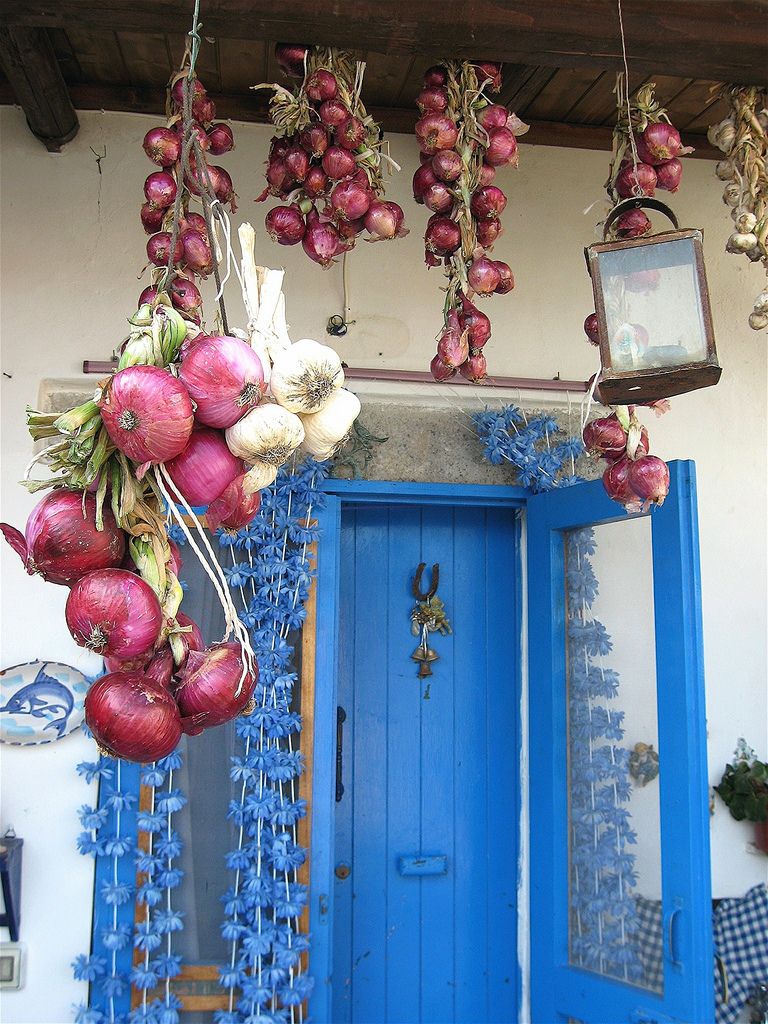
GREECEHang onions above doors

Hanging onions on the doors in Greece is a tradition done on New Year Day as a symbol of growth, hope and strength, even in tough situations. This ritual dates back to ancient Greece, where they hung the onions on the doors and windows to ward off evil spirits and unwanted energies.

BRAZILJump over seven waves

In the cities by the coast in Brazil the New Year’s Eve celebrations are held at the beach. The party is called Reveillon in Brazil and brings people from all over the world. Brazilians traditionally wear white on New Year’s Eve. This tradition stems from religions of African origin, as the white symbolizes good luck, peace and harmony. At midnight they will head into the ocean and jump over seven waves and make a wish. Many will throw white flowers into the ocean, offer presents from the shore or light candles and bury them in the sand. It is believed that the goddess of the sea will make their wish come true.

COLOMBIAPut three potatoes under bed

On New Year’s Eve Colombians put three potatoes under their beds. One of the potatoes is peeled, one is unpeeled and the other is half peeled. At midnight they will reach under their bed and grab the first potato they touch. If they grab the peeled potato that means they will experience financial problems in the New Year. If they grab the unpeeled potato it means they will have a year filled with prosperity and financial success. If they grab the half-peeled potato it means they will be somewhere in the middle.

SCOTLANDFirst-Footing

New Year’s Eve in Scotland has its own name, Hogmanay. While the Scottish have many traditions, the most famous one is First-Footing. According to the Scottish, the first person who crosses the threshold of your home after midnight on New Year’s Day will bring good luck for the New Year. Extra luck is expected if the first-footer is a tall, dark-haired man. He often brings symbolic gifts such as coal (for warmth), shortbread (for sustenance), salt (for prosperity), and whisky (for good cheer).

ITALYWear Red Underwear

Italians have a New Year’s tradition of wearing red underwear on New Year’s Eve. In Italian culture, the color red is associated with fertility. If you want to conceive in the New Year and need good luck, try red underwear.

RUSSIADrink a glass of champagne with ashes in it

In Russia, it is a New Year’s Eve tradition to drink a glass of champagne that includes the ashes of your wishes. They write their wishes down on a piece of paper, burn the paper with a candle and add the ashes to a glass of champagne.

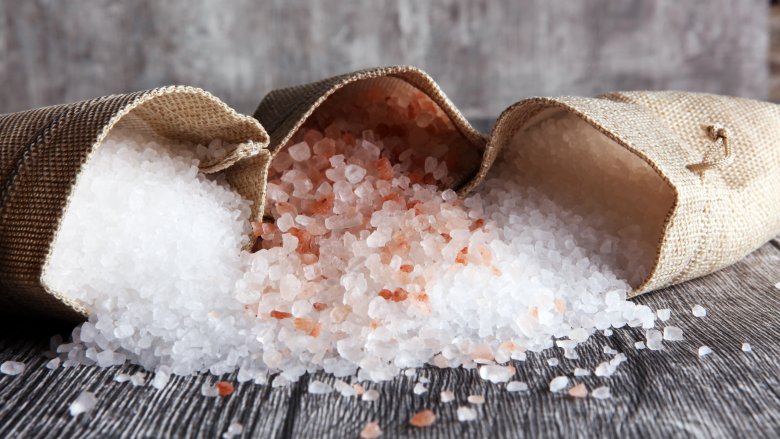
TURKEYPut salt on your doorstep

In Turkey, it is considered good luck if you sprinkle salt on your doorstep at midnight on New Year’s Eve. It brings both peace and prosperity to the New Year.

CHINAClean your house before Midnight

The Chinese tradition is to “sweep away the year” by cleaning your house before the start of the New Year. This will rid it of any bad luck and misfortune from the past and open up space for the new to enter and bring good luck to the New Year. It is not recommended to sweep after the New Year for a few days in fear of sweeping away the good luck.

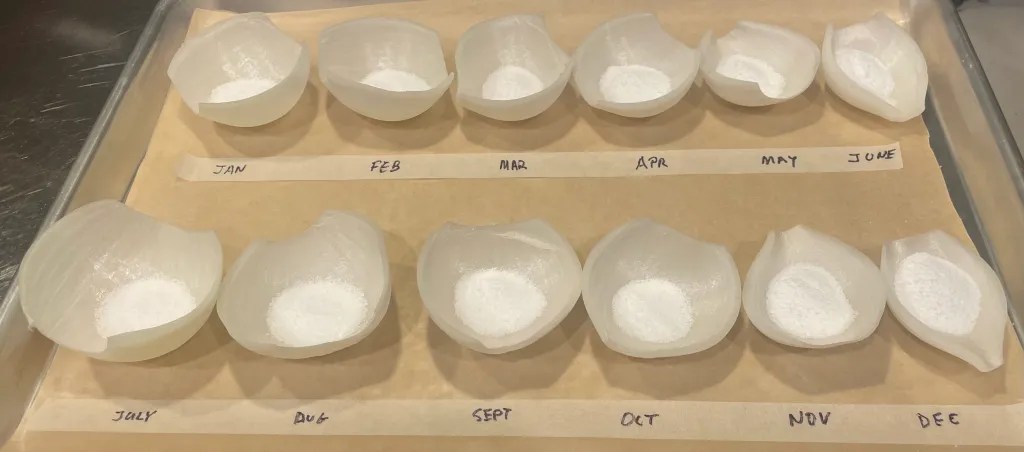
ROMANIAPredict the weather for the New Year

The Onion calendar is a Romanian New Year custom that will predict what the weather will be for each month of the New Year. On New Year’s Eve, 12 leaves are unrolled from an onion and put in order for the months of the year. Half a teaspoon of salt is placed in each onion sheet, and the sheets are left on a table until the next morning. If the salt melted on the onion leaf, it means that the month(s) will be rainy. If the salt remains, it means that the month(s) will be dry.

On New Year’s Eve, unmarried Romanian girls will put basil, an apple branch and a penny in a bowl of water. They will let it sit overnight and it is said that they will dream of the one. At midnight, they will open the door to let the old year out and make room for the New Year.

10 FUN FACTS ABOUT GREEK FOOD

I loved the food in Greece so much! Have you heard of the Mediterranean diet before? The Mediterranean diet is considered one of the healthiest diets in the world. Lots of veggies, fresh cheese and little meat. Here are a few fun facts I learned while exploring the country.

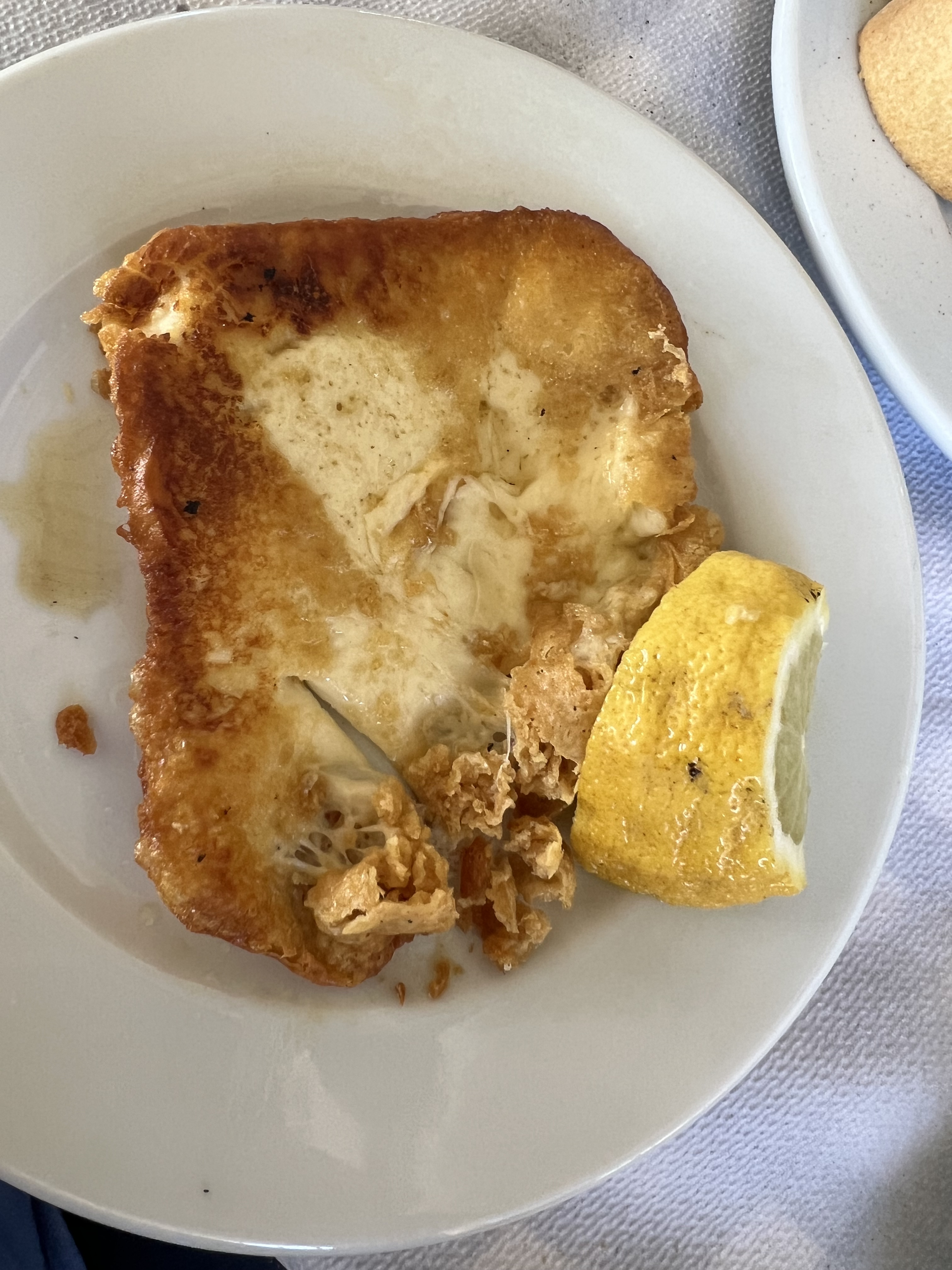
FETA CHEESE is the most famous Greek cheese. It is traditionally made with sheep’s milk, but can also be made with a combination of sheep and goat’s milk. It’s hard to explain how good Greek cheeses are. The majority of the cheese in Greece is made with either sheep or goat’s milk, but some can contain cow’s milk. In the United States feta cheese is only made with cows milk. You can find certain brands that do contain sheep or goats milk, but it isn’t common. If it reads “Greek Feta” vs “Feta” it is more likely to contain sheep or goats milk. One of my favorite treats was a big slice of deep fried goat cheese, so good (picture below with lemon).

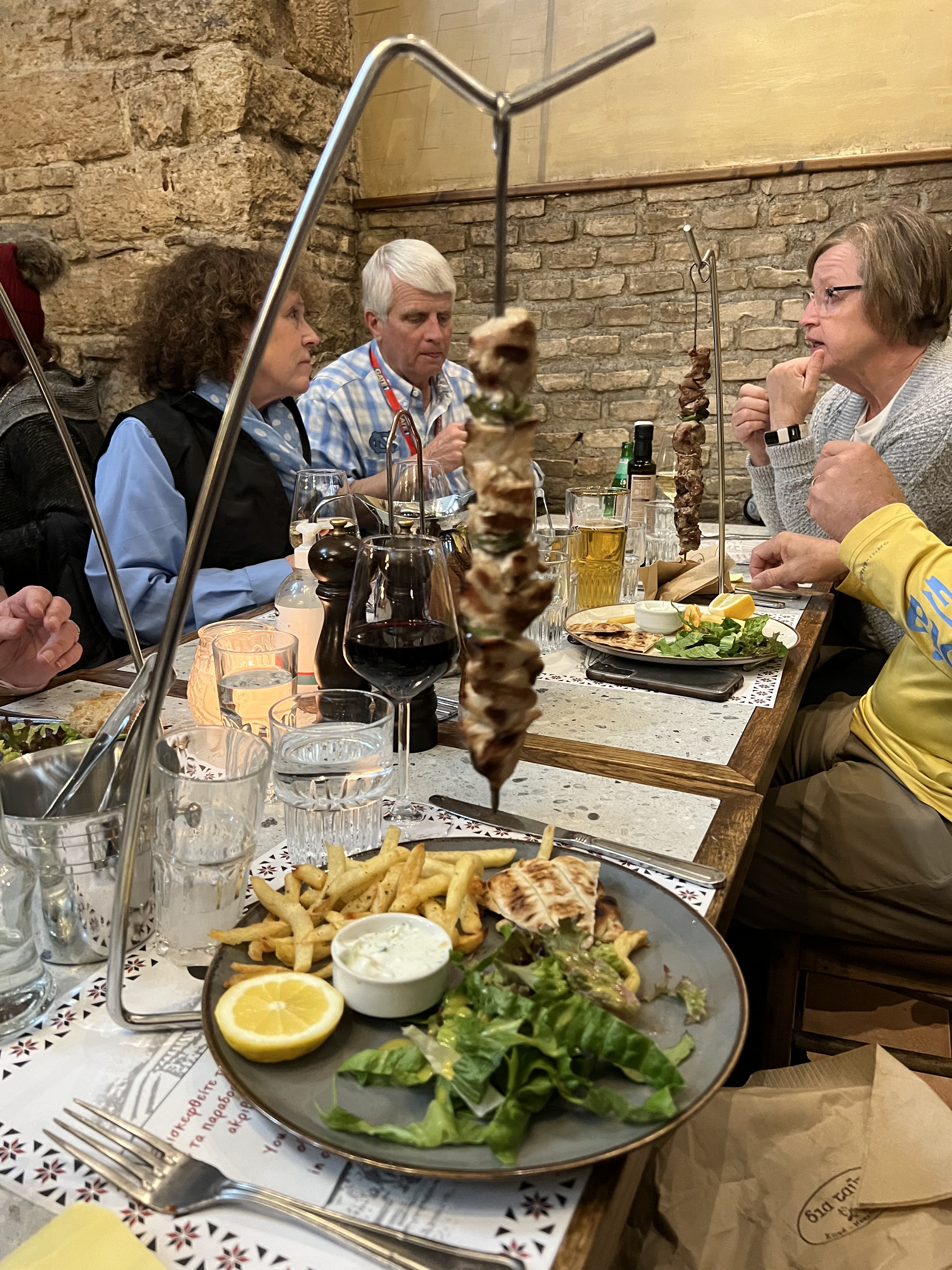
The average DINNER TIME is 9:00 pm and goes for hours. We showed up to an empty restaurant at 7:00pm and was told that all of the tables had been reserved for the night. We were confused as every seat in the restaurant was available. When we asked how that was possible since the restaurant was empty, they said because people don’t start showing up for dinner until around 9:00pm. They keep the seats open all night so that they are available when their guests start rolling in. We explained that we didn’t need that long to eat and that we would definitely be finished by then. Reluctantly, they gave us a table and let us eat. I found this part of the culture fascinating. They don’t care about how many orders are placed in a night, how many people are served, or how much money is made. They truly care about the quality of the experience for their guests and their family and friends. Towards the end of our dinner it was fascinating to see all the people start to gather in and prepare to spend an evening with their loved ones. You don’t see that in the United States. You see an annoyed waiter or waitress waiting for you to finish, so that when you leave they can seat more people and make more money.

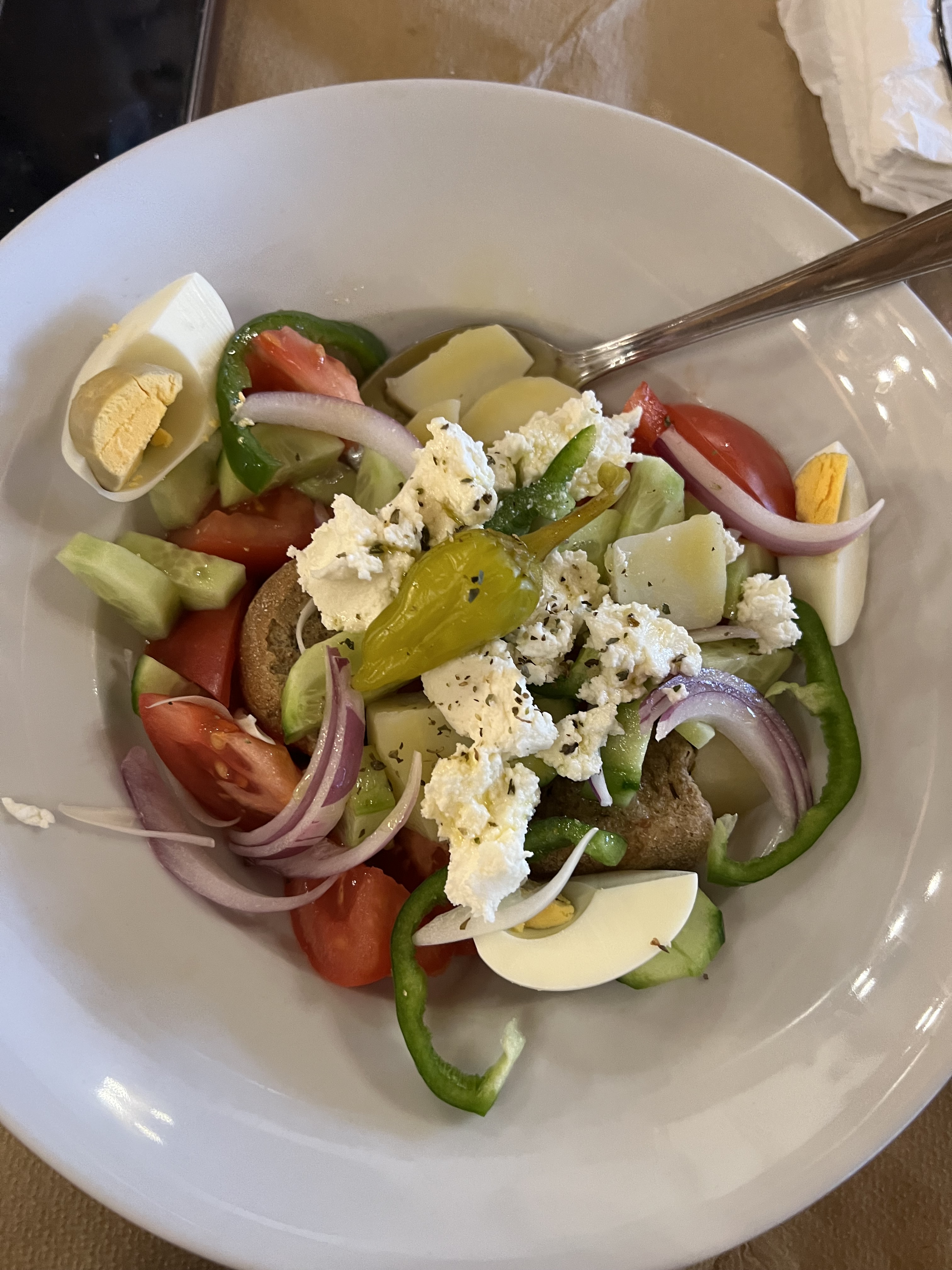
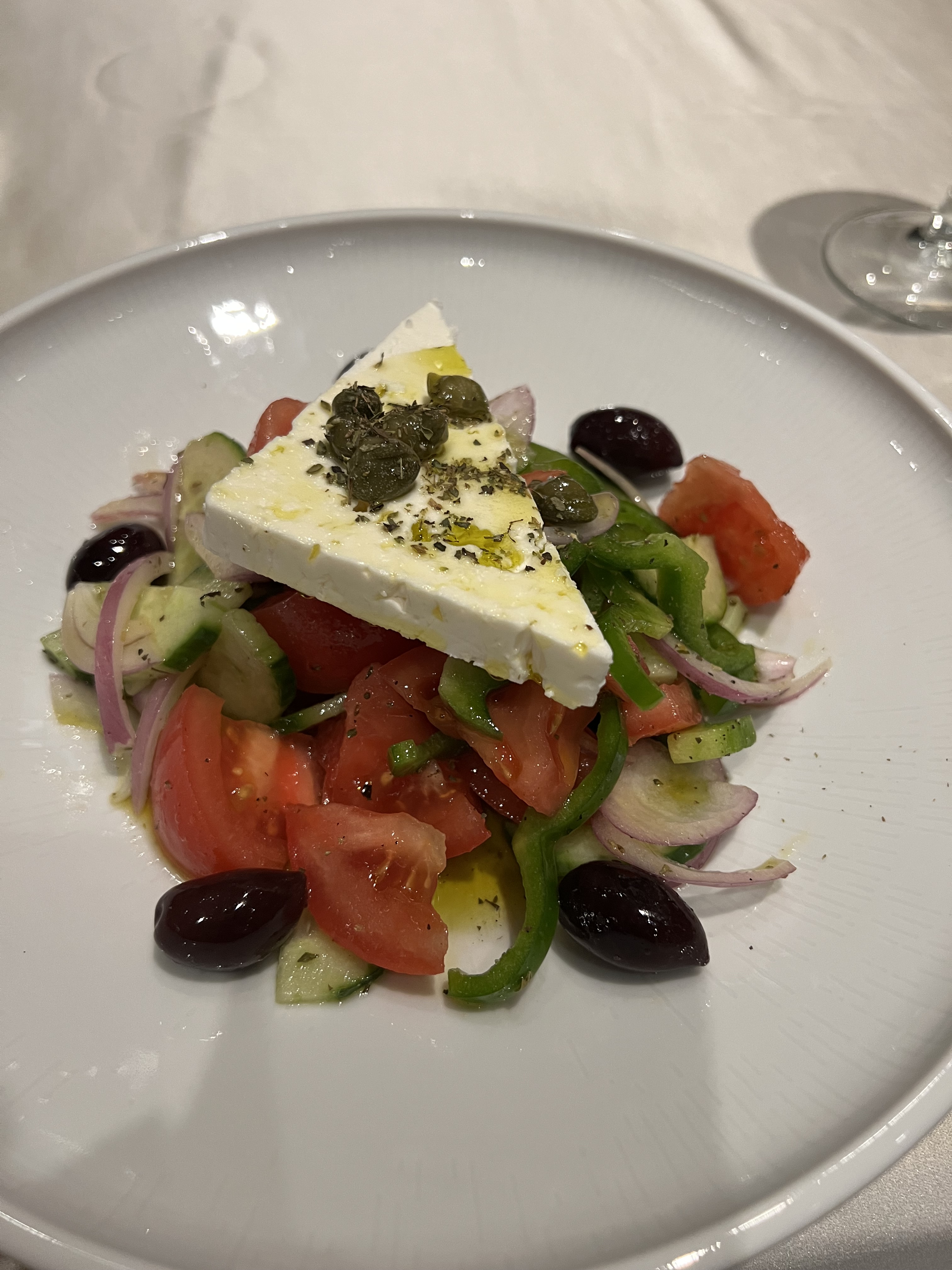
GREEK SALADS in Greece do not contain lettuce. They usually consist of tomatoes, cucumbers, olives, green peppers, red onions and topped with feta cheese. They are dressed with olive oil, oregano and red wine vinegar. If you get a greek salad on the island of Crete, the tomatoes are sometimes replaced with watermelon. I fell in love with Greek salads. They are served in every restaurant and the ingredients are so fresh and delicious. Our tour guide even gave me a secret ingredient to make my own Greek salad dressing when I got home.

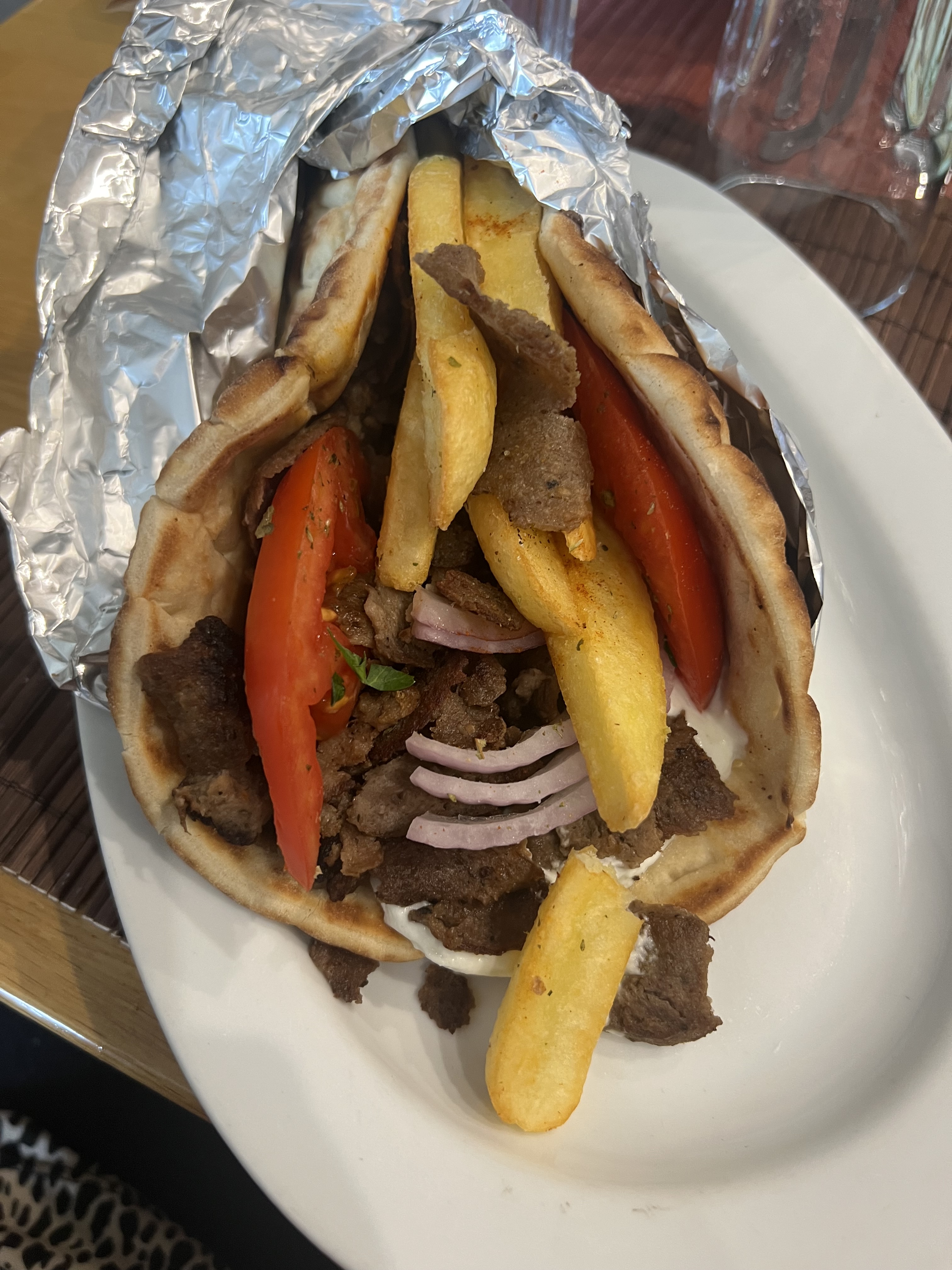
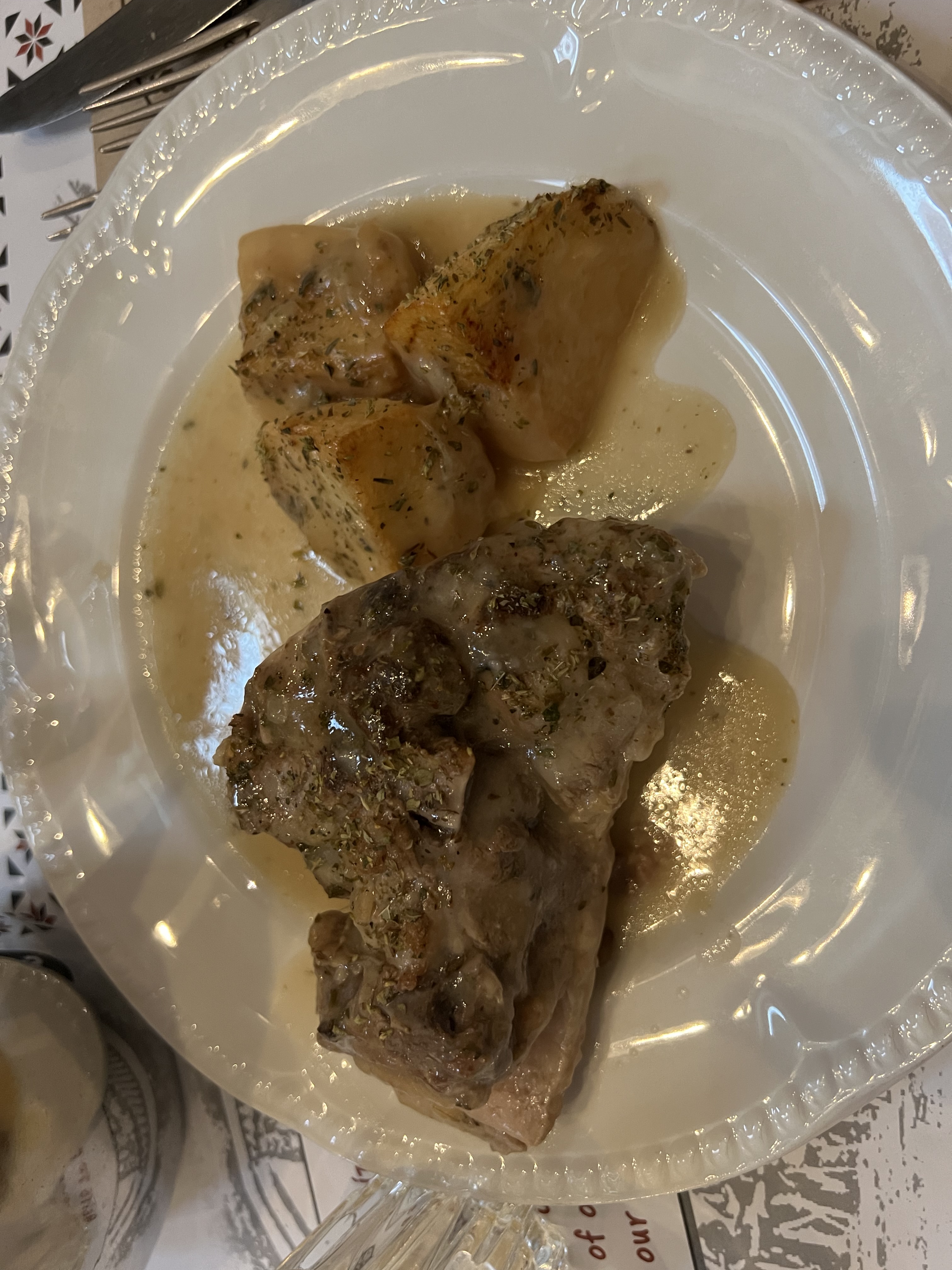
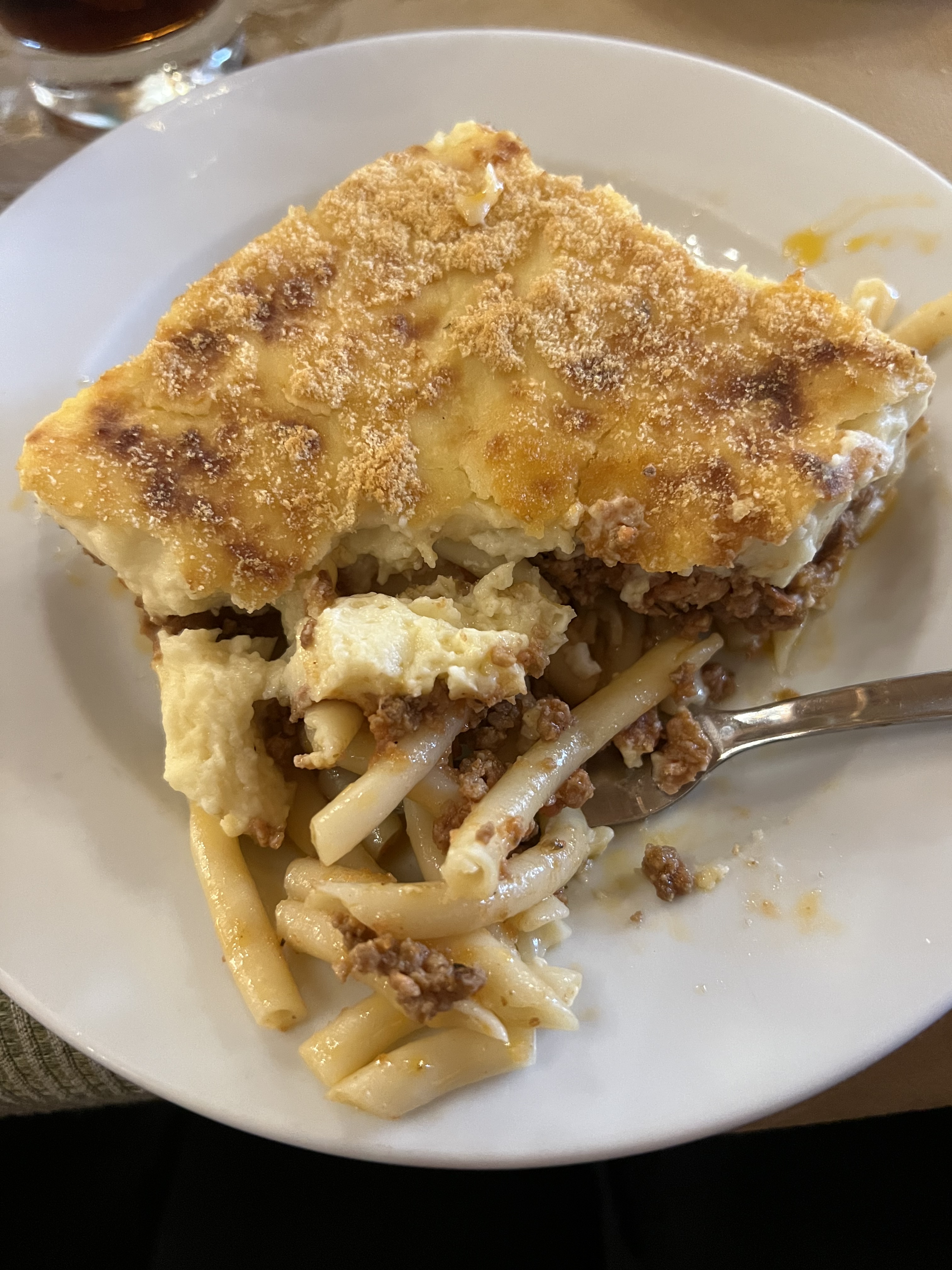
GYROS in Greece don’t contain lamb like they do in the United States. Lamb is considered a delicacy in Greece and is used primarily during festive occasions and religious celebrations. The lamb is often roasted or grilled and is popular in dishes like arnaki (roast lamb) or kleftiko (slow-cooked lamb). I love an american gyro with lamb, but I found it a bit tough to eat slow roasted lamb in Greece (first picture below).

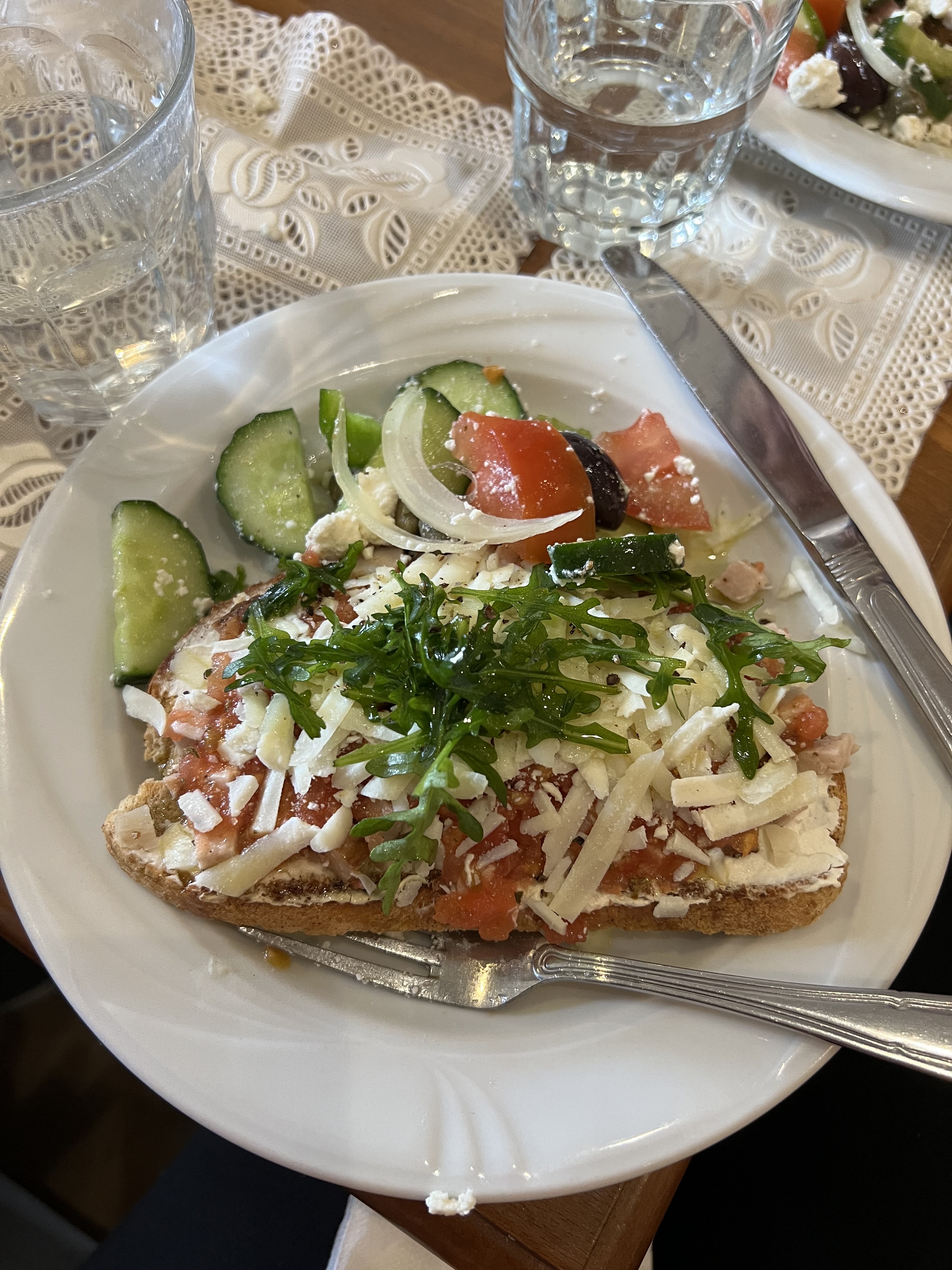
GREEK BARLEY RUSKS, also known as dakos, are hard rolls topped with a variety of ingredients (middle picture above). Tomatoes, Feta Cheese, Olives, Capers, Oregano and Olive Oil. They were considered the bread of the poor. Twice baked bread to eliminate all its liquid in order to be preserved longer. When it was time to eat them they were saturated in olive oil and other ingredients. You can find these in many restaurants in Greece, especially Crete since the heritage stems from the Minoans.

If you visit a restaurant on the island of Crete, you are welcomed with a SHOT OF RAKI. Raki or tsikoudia is a Greek alcoholic drink made on Crete by distilling grape pomace. It is Greek hospitality in a glass and a way to break the ice and say, happy to see you.

OLIVE OIL is a key component of Greek cuisine. It’s one of the things that makes Mediterranean food so good. The ancient Greeks used olive oil for cooking, rituals, sports and as a status symbol. They are thought to be the first to cultivate olive trees and produce olive oil. The olympians would coat their skin with olive oil and sand as sunscreen and perform sports nude.

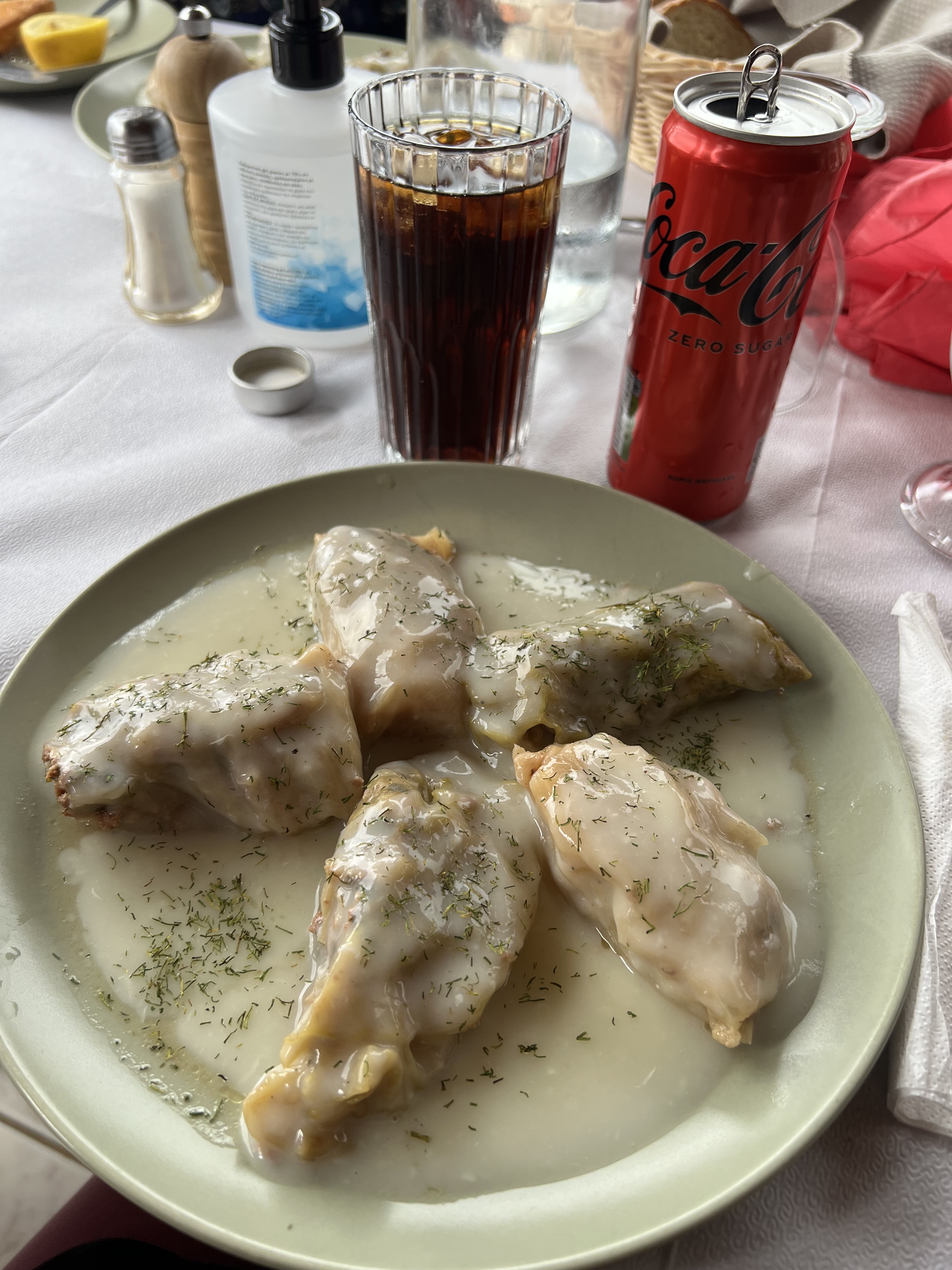
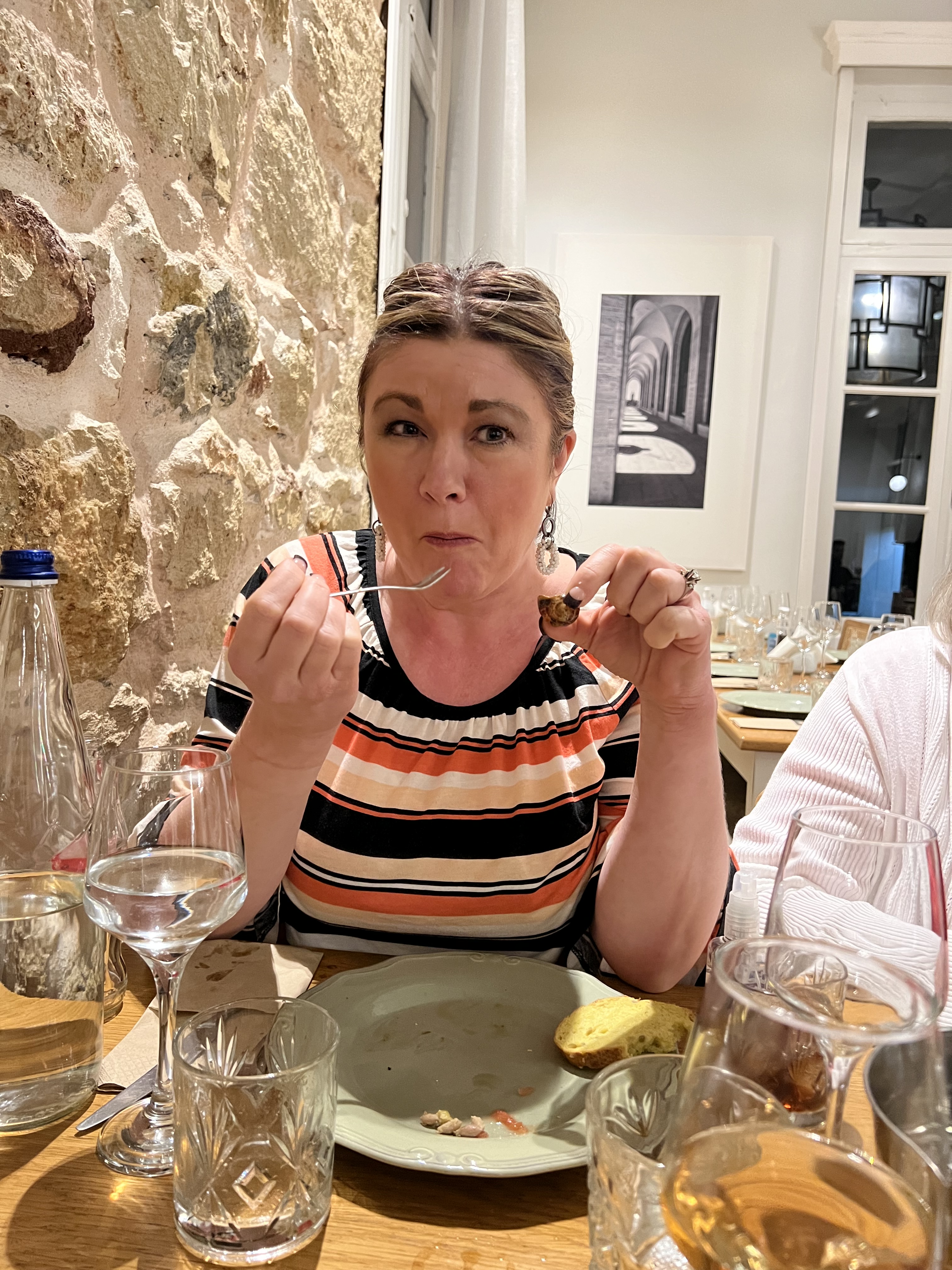
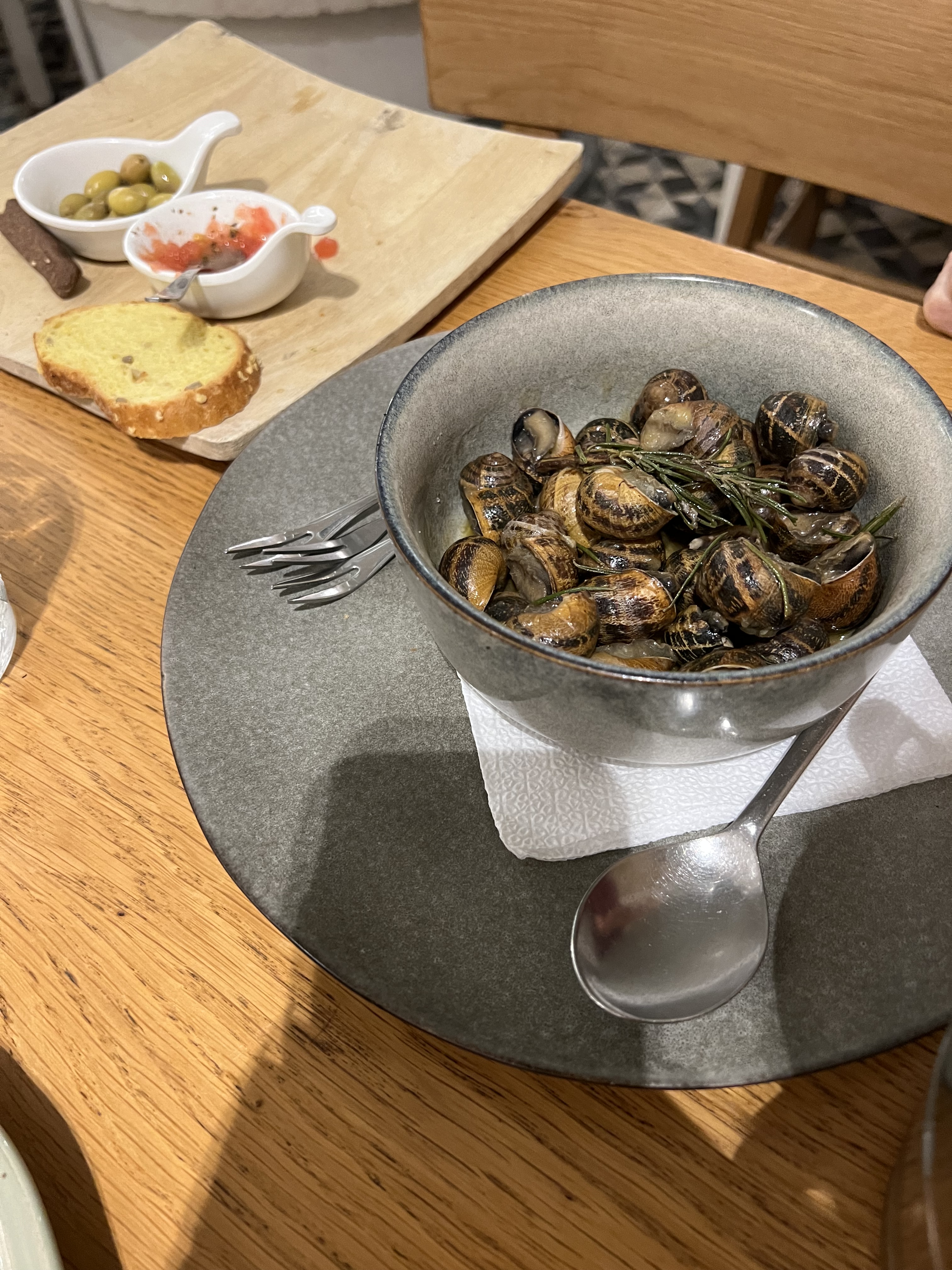
Greek dishes are HEAVY WITH VEGETABLES and little meat. They are not complicated dishes, but they are so delicious. They only use fresh and natural ingredients and everything is locally produced or grown. No preservatives! If you are driving through the country you will see a lot of sheep and goats roaming around, thousands of olive trees and a lot of farms. Crete, the island off of Greece is known for its fresh seafood and snails, so if you plan to visit the island make sure you try a snail or two.

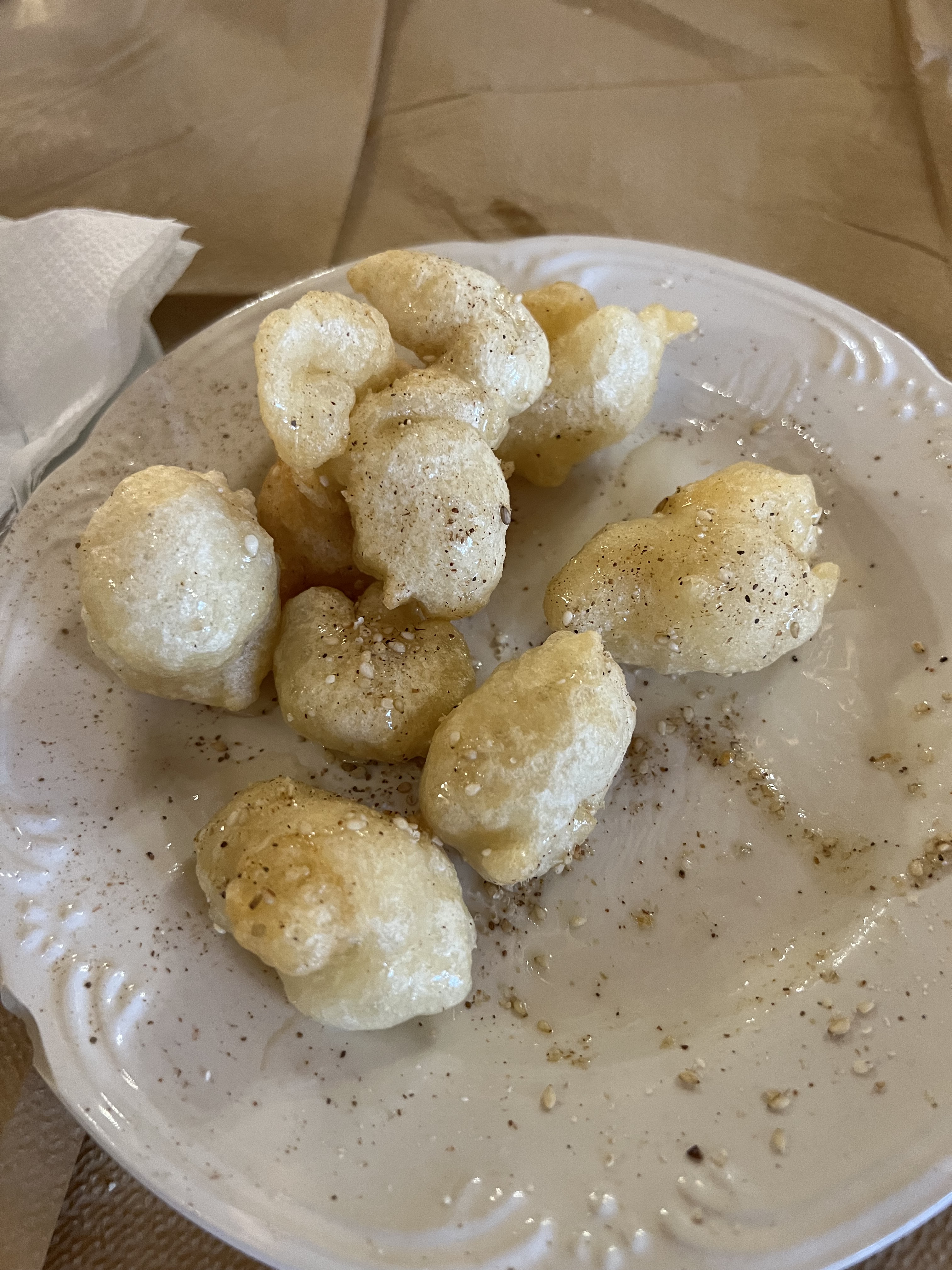
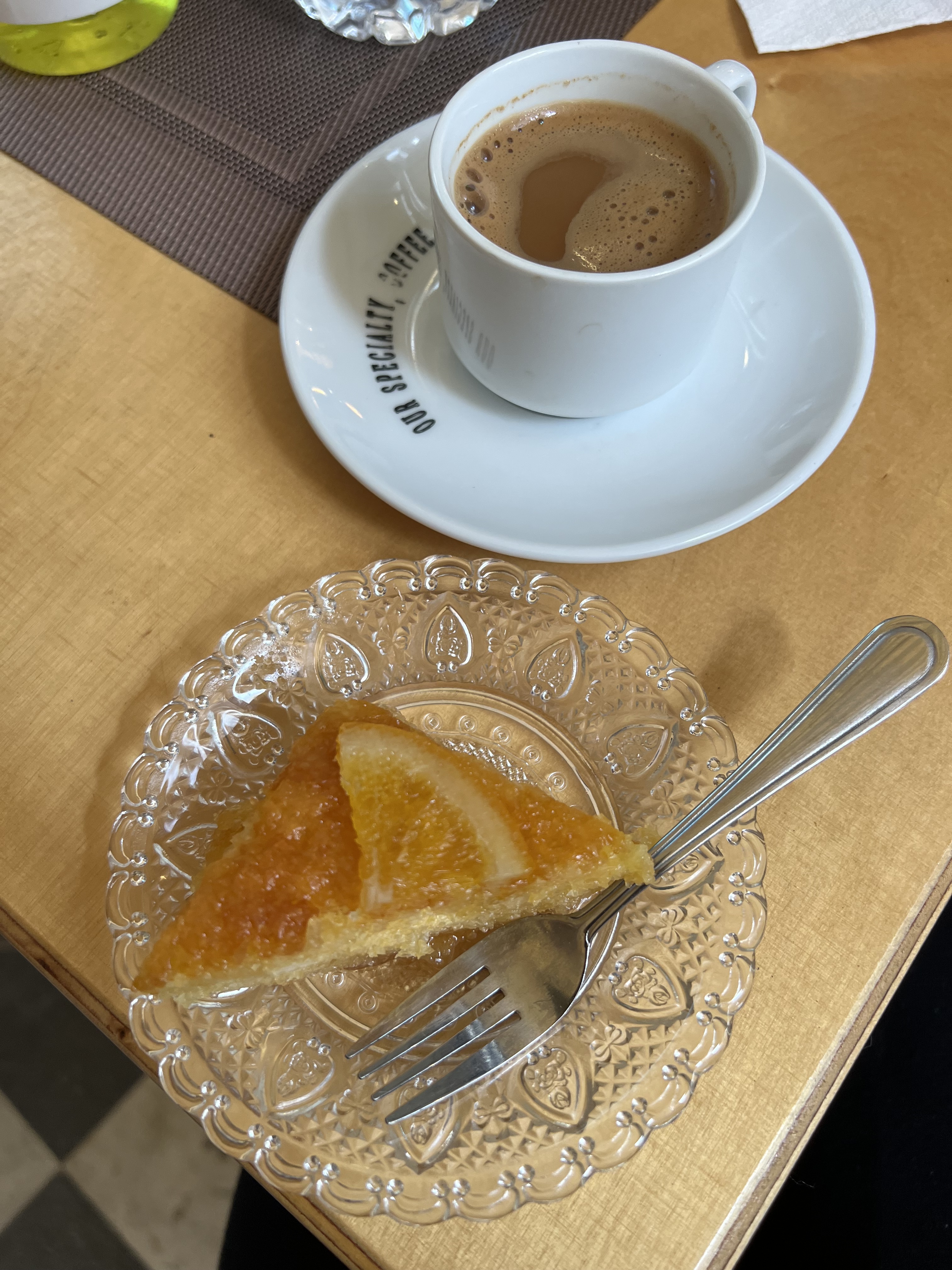
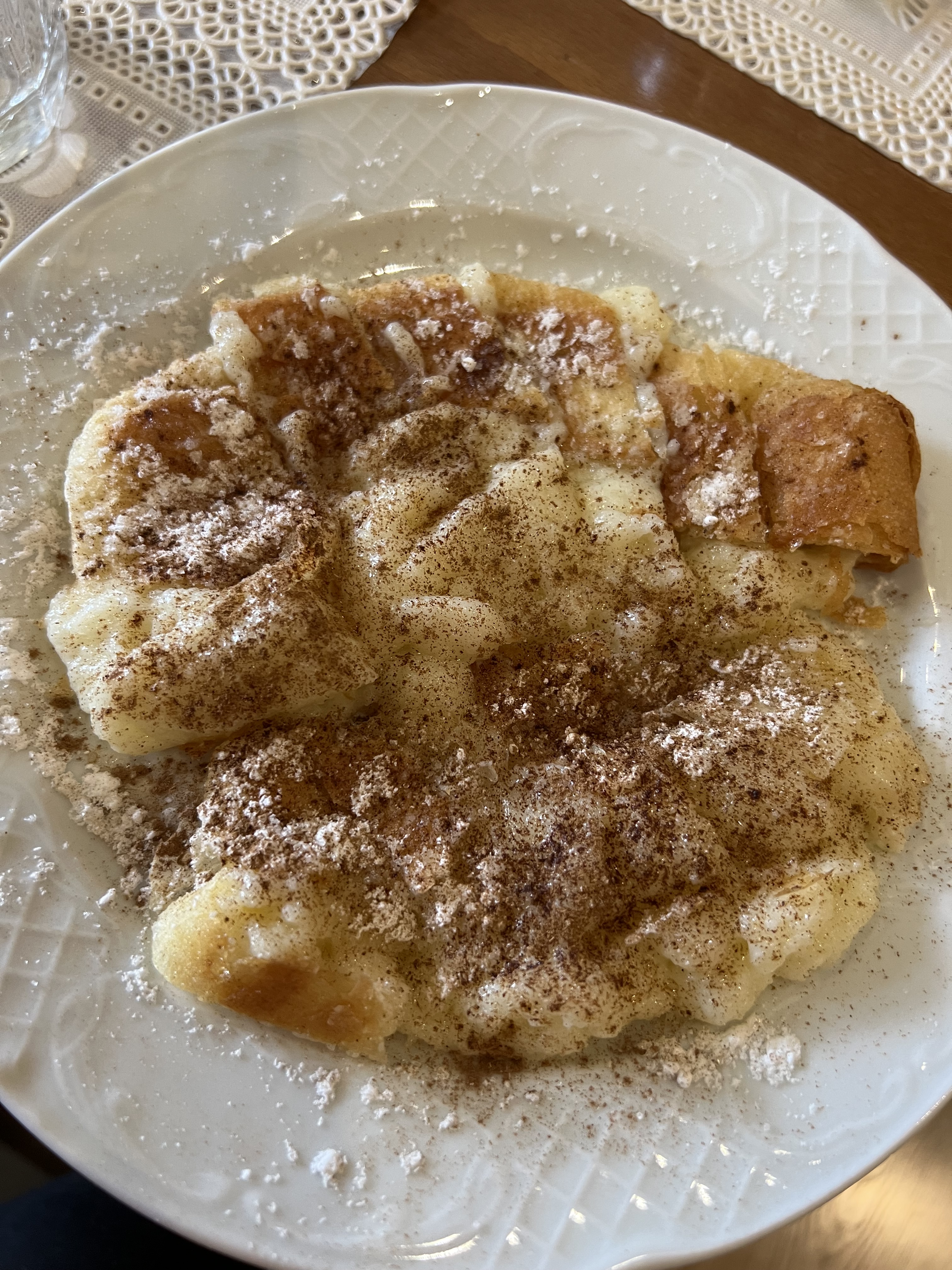
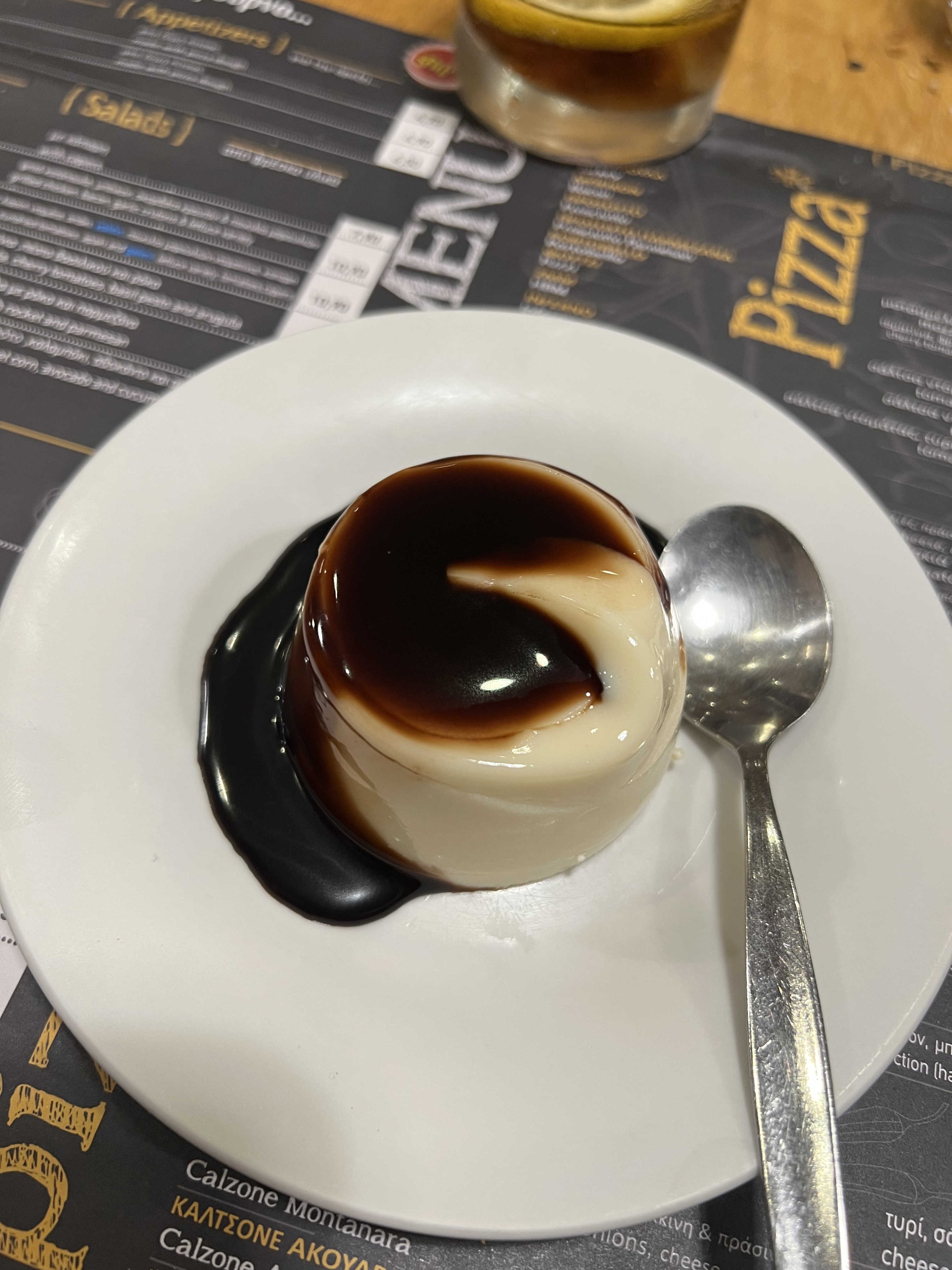
DESSERTS – Baklava (1st picture below) is the most famous traditional Greek dessert. It is a rich, sweet pastry made of layers of crispy phyllo dough filled with chopped nuts (walnuts,or pistachio) and sweetened with honey or syrup. Loukomadies (2nd picture below) are fried pieces of dough dusted with honey. Some may say that these are the donuts of Greece. They have a history that dates back to the first Olympic Games. The Olympic winners were awarded in the form of “honey tokens”. I had dessert for breakfast, lunch and dinner and tried so many of them. My favorite dessert was Bougatsa (4th picture below), a greek dessert of flaky phyllo pastry and sweet custard garnished with sugar and cinnamon. So yummy!!!

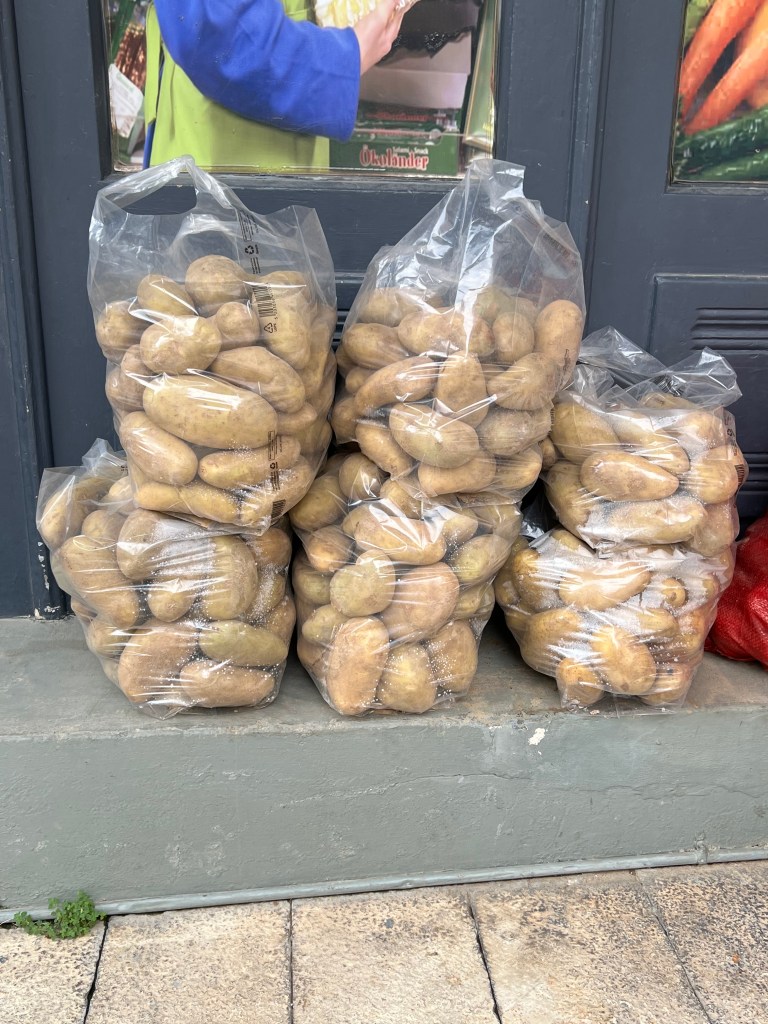
How were POTATOES introduced into the country? The Greek story has it that in the 19th century, Greece’s first governor, wanted to introduce the cultivation of the potato into the country. According to the legend, he ordered potatoes to be given away for free, but the Greeks didn’t show any interest in the new and exotic crop. So, he ordered sacks of potatoes to be unloaded on public display and surrounded them with guards. The guards were instructed to turn a blind eye at any attempt of stealing. The locals began to steal the valuable potatoes. The governor’s plan was a success and the Greek’s fell in love with the potato.

Nothing can compare to Greek cuisine!